Cognitive Rehabilitation Therapy
Cognitive Rehabilitation Therapy for Adults in Garden City (Long Island), NY and Throughout New York and Georgia
What is Cognitive Rehabilitation Therapy?
CRT is a therapeutic approach designed to restore thinking abilities that have been affected by injury, illness, or neurological changes. Through structured exercises and personalized strategies, the goal is to help you function better in everyday life, such as returning to work, managing household tasks independently, or simply feeling more confident in your mental abilities.
This treatment combines:
- Direct skills training with Dr. Steele to learn strategies for managing cognitive challenges
- Targeted exercises to strengthen specific cognitive functions like memory, attention, and problem-solving
- Compensatory techniques to work around limitations when full recovery isn't possible
- Practical application of new skills to real-world situations you encounter daily
Cognitive Rehabilitation Therapy can help with:
- Memory difficulties (remembering appointments, conversations, tasks)
- Attention and concentration problems
- Slowed information processing
- Executive function challenges (planning, organization, problem-solving)
- Language and communication difficulties
- Visual-spatial problems
- Difficulty managing daily tasks independently
Free Consultation:
Is Cognitive Rehabilitation Therapy Right for You?
CRT can benefit anyone experiencing thinking difficulties that interfere with daily life, regardless of the cause.
Common conditions we work with:
- Traumatic brain injury (TBI) or concussion
- Stroke or brain tumors (when cognitive deficits are present)
- Early-stage dementia or mild cognitive impairment
- ADHD or learning differences (when cognitive deficits are present)
- Post-COVID cognitive symptoms ("brain fog")
- Cognitive effects of chemotherapy ("chemo brain")
- Age-related cognitive decline
- Brain injury from lack of oxygen (anoxic/hypoxic injury)
- Cognitive symptoms related to depression, anxiety, or chronic stress
- Neurological conditions affecting cognition
Note: Cognitive screening or neuropsychological evaluation is required before beginning rehabilitation to identify your specific areas of need and create an individualized treatment plan.
What to Expect in Cognitive Rehabilitation
Cognitive rehabilitation is a collaborative process tailored to your unique needs and goals. Whether you're recovering from an injury, managing a neurological condition, or addressing cognitive decline, we follow a structured approach that begins with understanding your specific challenges and builds toward measurable improvement. Here's what you can expect when working with Dr. Rebecca Steele:
Step 1: Cognitive Screening (Required)
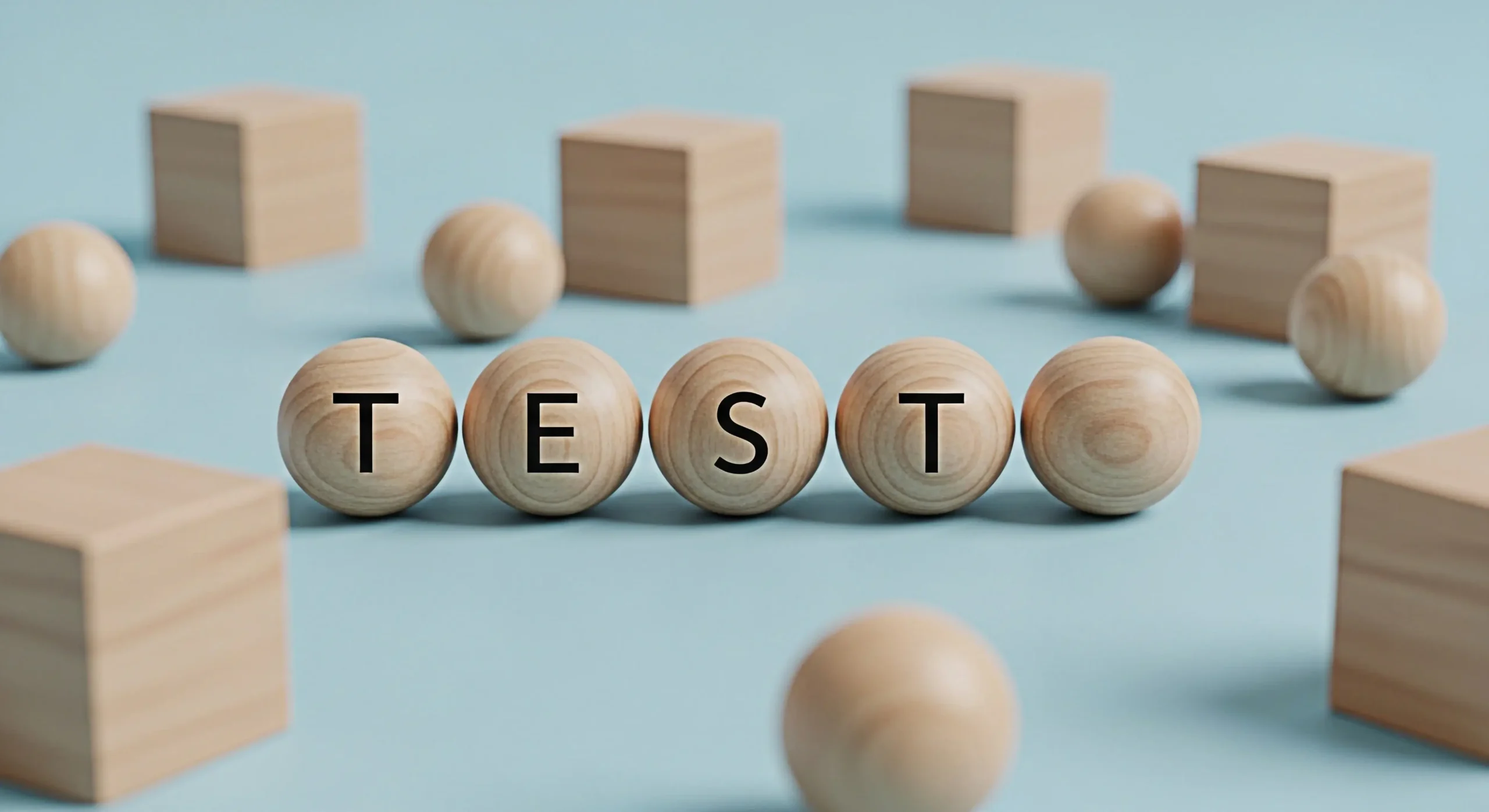
Before beginning rehabilitation, you'll complete cognitive screening/assessment or a full neuropsychological evaluation. This involves tests, questionnaires, and interviews with tasks like remembering words, solving puzzles, identifying patterns, or answering questions about daily functioning. Depending on your needs, the process takes approximately 30 minutes for a screener or several hours for a full neuropsychological evaluation. This assessment identifies your cognitive strengths and weaknesses to design a personalized training program.
Step 2: Assessment Feedback & Treatment Planning
In a dedicated feedback session, we'll review your results and develop a customized rehabilitation plan. We'll identify specific goals (like returning to work, managing daily tasks, or improving memory) and outline strategies to achieve them.
During this collaborative session, you'll gain a clear understanding of your cognitive profile and what it means for your daily life. We'll discuss:
- Which cognitive areas are strong and can support your recovery
- Specific challenges identified in the assessment and how they affect your functioning
- A timeline for treatment and what progress might look like
- Questions or concerns you have about the rehabilitation process
This feedback session ensures you're an active participant in your recovery, with a roadmap tailored specifically to your needs and goals.


Step 3: Individualized Treatment Approach
Based on your specific needs and goals, your rehabilitation will be customized using one or both of the following approaches. These can be used independently, combined, or alternated based on what works best for you:
Direct Skills Training Sessions One-on-one sessions with Dr. Steele focused on:
- Learning and practicing cognitive strategies
- Building skills in memory, attention, and organization
- Problem-solving real-world challenges
- Adapting techniques to your daily life
Computerized Cognitive Training Sessions One-on-one sessions where Dr. Steele uses evidence-based computerized exercises displayed on screen. You'll respond to images, puzzles, and tasks designed to strengthen specific cognitive functions. These sessions are tailored to target your individual areas of need.
Step 4: Progress Monitoring & Adjustment
We regularly assess your progress and adjust your plan as needed. As you improve, we may shift focus to new goals or increase exercise complexity to continue building skills.
Cognitive rehabilitation is dynamic, not static. Throughout your treatment, you can expect:
- Regular check-ins to discuss what's working and what feels challenging
- Adjustments to exercises based on your progress and feedback
- Modifications to strategies when life circumstances change
- Ongoing communication about whether you're meeting your goals
This adaptive approach ensures your rehabilitation stays relevant and effective as you progress, preventing plateaus and keeping you motivated throughout your recovery journey.

Getting Started with Cognitive Rehabilitation Therapy
Assessment Feedback Session (Required First Step) A comprehensive review of your cognitive screening or evaluation results, including discussion of your strengths, areas of difficulty, and personalized recommendations for rehabilitation. Treatment goals are identified during this session, and we create your individualized plan.
Cognitive Rehabilitation Therapy Session (50 minutes) One-on-one skills training focused on improving specific cognitive functions through direct teaching, strategy development, computerized training, and practice. Sessions are available in-person at our Garden City, NY office or via secure video platform throughout New York and Georgia, depending on your needs and the type of training being provided.
Ready to Strengthen Your Cognitive Skills?
If cognitive difficulties are affecting your daily life, we're here to help. Serving Garden City (Long Island), NY and all of New York and Georgia State, contact us to discuss how cognitive rehabilitation therapy can help you regain function and confidence.
FAQs
Cognitive functioning refers to mental processes like memory, attention, reasoning, problem-solving, and processing speed. These skills are essential for daily living, learning, work, and relationships.
Changes can result from a variety of factors, including:
- Traumatic brain injury (TBI) or concussion
- Stroke or brain tumors
- Dementia or other neurodegenerative diseases
- ADHD or learning disorders
- Depression, anxiety, or chronic stress
- Medical conditions (e.g., sleep apnea, thyroid issues)
- Normal aging
LONG ISLAND
New York
1225 Franklin Avenue Suite 325Garden City, NY 11530
ATLANTA
Georgia
Virtual Appointments
Now Available!
*Virtual appointments are available for the entirety of NY State